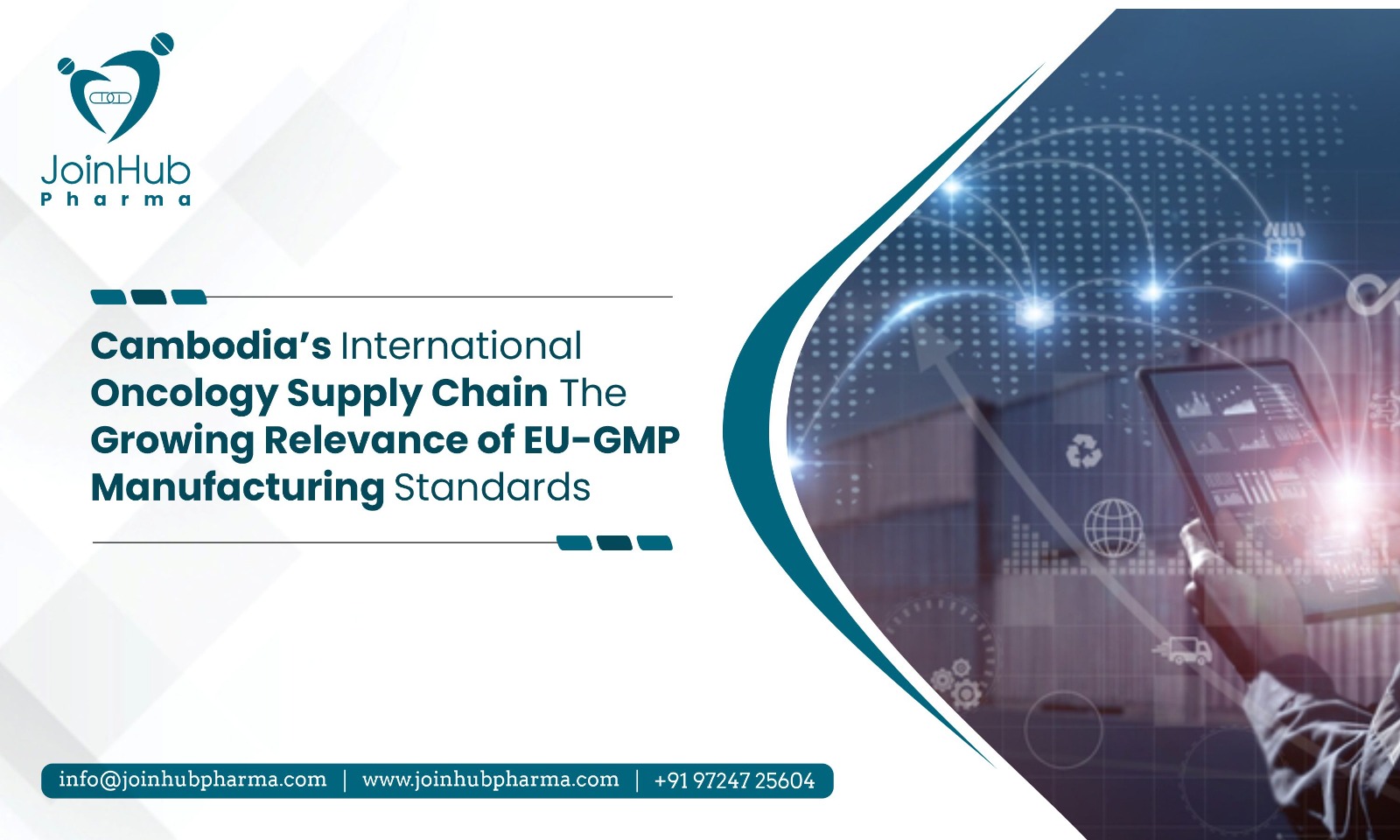
Cambodia’s pharmaceutical landscape is evolving rapidly as the country strengthens its position in regional healthcare. With rising cancer incidence and growing demand for reliable treatments, the oncology supply chain has become a critical focus. International partnerships, regulatory alignment, and manufacturing excellence now play decisive roles in ensuring patients receive safe, effective medicines. At the heart of this transformation lies the increasing relevance of EU-GMP standards, which set a global benchmark for quality in pharmaceutical production.
An EU GMP oncology manufacturer brings rigorous quality systems, validated processes, and continuous compliance that go far beyond basic requirements. These standards help protect product integrity from raw material sourcing through to final distribution, reducing risks of contamination, variability, and substandard medicines that can undermine treatment outcomes.
Rising Cancer Burden and Supply Chain Pressures in Cambodia
Cambodia faces a steadily increasing cancer burden. Limited local manufacturing capacity for complex oncology products means the country relies heavily on imports. Disruptions in global logistics, fluctuating demand, and varying quality standards from different suppliers can create vulnerabilities in the supply chain. Ensuring consistent availability of high-quality anticancer drugs requires partners who operate under internationally recognized frameworks.
EU-GMP certification addresses these challenges directly. It mandates strict controls on facilities, equipment, documentation, personnel training, and quality assurance. For oncology products, which often involve highly potent or cytotoxic compounds, these controls are especially important to safeguard both patients and manufacturing staff.
The Role of EU-GMP in Oncology Manufacturing
EU-GMP guidelines, enforced by European authorities and recognized worldwide, demand comprehensive quality management systems. Manufacturers must demonstrate process validation, risk assessment, change control, and robust environmental monitoring. In oncology, additional containment measures, dedicated production areas, and specialized cleaning procedures further reduce cross-contamination risks.
Cancer pharmaceutical companies that align with these standards gain easier access to regulated markets and build stronger trust with healthcare systems in emerging regions. For Cambodia, sourcing from an EU GMP oncology manufacturer supports national efforts to improve treatment reliability and patient safety while facilitating smoother regulatory pathways for imported products.
Benefits for Cambodia’s International Oncology Supply Chain
Partnering with EU-GMP compliant facilities strengthens several links in the supply chain:
- Quality consistency – Batch-to-batch uniformity and full traceability reduce the risk of therapeutic failure.
- Regulatory acceptance – EU-GMP certificates and supporting documentation simplify registration with Cambodia’s Ministry of Health.
- Supply reliability – Validated manufacturing and robust quality systems minimize production interruptions.
- Risk mitigation – Strict controls on potent compounds protect product integrity and support pharmacovigilance.
- Long-term partnership potential – Transparent quality systems enable technology transfer, local packaging, or future localization initiatives.
These advantages become particularly valuable as Cambodia expands its oncology infrastructure and seeks sustainable access to modern therapies.
How EU-GMP Standards Support Cambodia’s Healthcare Goals
Cambodia’s Ministry of Health emphasizes quality and safety in pharmaceutical imports. Foreign manufacturers must register and provide valid GMP evidence. Aligning with EU-GMP helps meet and often exceed these expectations. It also supports broader goals of improving cancer care accessibility, reducing dependence on inconsistent supply sources, and preparing the market for more sophisticated therapies.
An EU GMP oncology manufacturer can further assist through comprehensive documentation packages, technical support for registration, and flexible supply arrangements that accommodate regional demand patterns. This collaboration helps Cambodian distributors, hospitals, and healthcare providers maintain continuous access to essential oncology medicines.
Key Considerations When Selecting an Oncology Manufacturing Partner
When evaluating potential partners for Cambodia’s oncology needs, decision-makers should examine:
- Current EU-GMP and WHO-GMP certifications with clean inspection histories
- Experience in handling high-potency and cytotoxic compounds
- Capacity for tablets, capsules, injectables, or other relevant dosage forms
- Robust quality control laboratories and stability testing capabilities
- Proven export experience to Southeast Asia, including regulatory support for Cambodian requirements
- Transparency in supply chain practices and willingness to support audits
Choosing a partner that already holds EU-GMP approval reduces qualification time and builds confidence among local stakeholders.
JoinHub Pharma: A Trusted Partner in Quality Oncology Solutions
JoinHub Pharma is a leading Indian pharmaceutical manufacturer and exporter headquartered in Ahmedabad, Gujarat. The company operates WHO-GMP and EU-GMP-approved manufacturing plants and offers a broad portfolio of generic medicines, including advanced molecules for oncology, hormonal therapy, and infectious diseases. With multiple certified facilities and a strong export presence across Asia, Africa, Latin America, and beyond—including Cambodia—JoinHub Pharma focuses on delivering high-quality, affordable pharmaceutical products while maintaining rigorous international standards. Its commitment to compliance, continuous improvement, and customer partnership positions it as a reliable EU GMP oncology manufacturer for markets seeking dependable supply chain partners. Contact JoinHub Pharma today at info@joinhubpharma.com to discuss the requirement.
Future Outlook: Localization and Regional Collaboration
While imports currently dominate Cambodia’s oncology supply, interest in local or regional manufacturing is growing. Recent initiatives involving technology transfer and offset agreements signal a desire for greater self-reliance. EU-GMP standards provide a ready framework for such projects. An established EU GMP oncology manufacturer can serve as both a current supplier and a future technology partner, helping transfer validated processes, training, and quality systems.
This dual role strengthens the overall supply chain resilience of Cambodia and the wider ASEAN region.
Conclusion
Cambodia’s oncology supply chain stands at an important juncture. Rising patient needs demand reliable access to quality medicines, while regulatory and quality expectations continue to rise. EU-GMP manufacturing standards offer a proven path to meet these demands. By working with a dedicated EU-GMP oncology manufacturer that combines technical capability, regulatory compliance, and export experience, Cambodia can enhance the safety, consistency, and sustainability of its cancer treatment supply.
JoinHub Pharma remains committed to supporting this progress through high-quality manufacturing, transparent partnerships, and a shared focus on better patient outcomes.
Frequently Asked Questions
1. What is EU-GMP and why is it important for oncology products?
EU-GMP refers to the European Union’s Good Manufacturing Practice guidelines. For oncology medicines, these standards ensure strict control over potent compounds, contamination prevention, and consistent quality—critical for patient safety and treatment efficacy.
2. How does an EU GMP oncology manufacturer benefit Cambodia’s supply chain?
It provides validated quality systems, reliable documentation for regulatory approval, and reduced risk of supply disruptions, helping ensure continuous availability of safe cancer therapies.
3. Does JoinHub Pharma hold EU-GMP certification?
Yes. JoinHub Pharma operates EU-GMP-approved plants alongside WHO-GMP-certified facilities and manufactures a range of pharmaceutical products, including oncology-related molecules.
4. What should Cambodian importers look for when selecting an oncology supplier?
Key factors include valid EU-GMP and WHO-GMP certificates, experience with high-potency products, strong documentation support for Ministry of Health registration, and a proven track record of reliable exports to the region.
5. Can EU-GMP standards support future local manufacturing in Cambodia?
Absolutely. EU-GMP provides a robust framework for technology transfer, facility design, training, and quality system implementation, making it highly relevant for localization projects.