Cancer care is undergoing a significant transformation as advances in pharmaceutical research, biotechnology, precision medicine, and drug manufacturing continue to expand treatment possibilities. From targeted therapies and immunotherapy to biosimilars and innovative drug-delivery systems, the oncology industry is moving beyond traditional approaches to create more personalized, accessible, and effective treatment options.
Leading oncology pharmaceutical companies are playing an important role in this transformation by investing in research and development, improving manufacturing technologies, expanding therapeutic portfolios, and strengthening global supply chains. Their efforts are helping healthcare systems respond to the growing demand for high-quality cancer medicines across different regions.
For pharmaceutical businesses, healthcare providers, distributors, and patients, understanding these developments provides valuable insight into the future of cancer treatment.
The Changing Landscape of Cancer Care
Cancer is not a single disease. It includes numerous types and subtypes, each with different biological characteristics and treatment requirements. Historically, cancer treatment relied heavily on chemotherapy, radiation therapy, surgery, or combinations of these approaches.
Although these treatments remain important, oncology has evolved considerably. Modern cancer care increasingly focuses on understanding the molecular and genetic characteristics of tumors and selecting therapies according to individual patient needs.
This transition has encouraged oncology pharmaceutical companies to develop medicines that can target specific cancer pathways, stimulate the immune system, inhibit tumor growth, or deliver therapeutic agents more selectively.
Several developments are contributing to this evolution, including:
- Targeted cancer therapies
- Immuno-oncology medicines
- Precision medicine
- Biosimilars
- Novel drug-delivery technologies
- Supportive cancer treatments
- Combination therapies
- Advanced oncology drug manufacturing
- Biomarker-driven treatment strategies
These innovations are changing how cancer medicines are researched, developed, manufactured, and supplied globally.
1. Expanding Research and Development in Oncology
One of the most important ways leading oncology pharmaceutical companies are transforming cancer care is through increased investment in pharmaceutical research and development.
Oncology drug development involves extensive research to identify potential therapeutic molecules, evaluate their effectiveness, understand safety profiles, and determine appropriate dosage and administration methods. Pharmaceutical companies work with researchers, clinical institutions, biotechnology organizations, and other healthcare stakeholders throughout this process.
Modern oncology R&D increasingly focuses on identifying biological targets associated with cancer progression. Researchers can then investigate medicines designed to interfere with these targets.
This approach has contributed to the development of targeted treatments that may offer a more precise therapeutic strategy than conventional treatments for certain cancers.
Pharmaceutical R&D is also increasingly supported by technologies such as computational drug discovery, molecular profiling, artificial intelligence, and advanced clinical-trial methodologies.
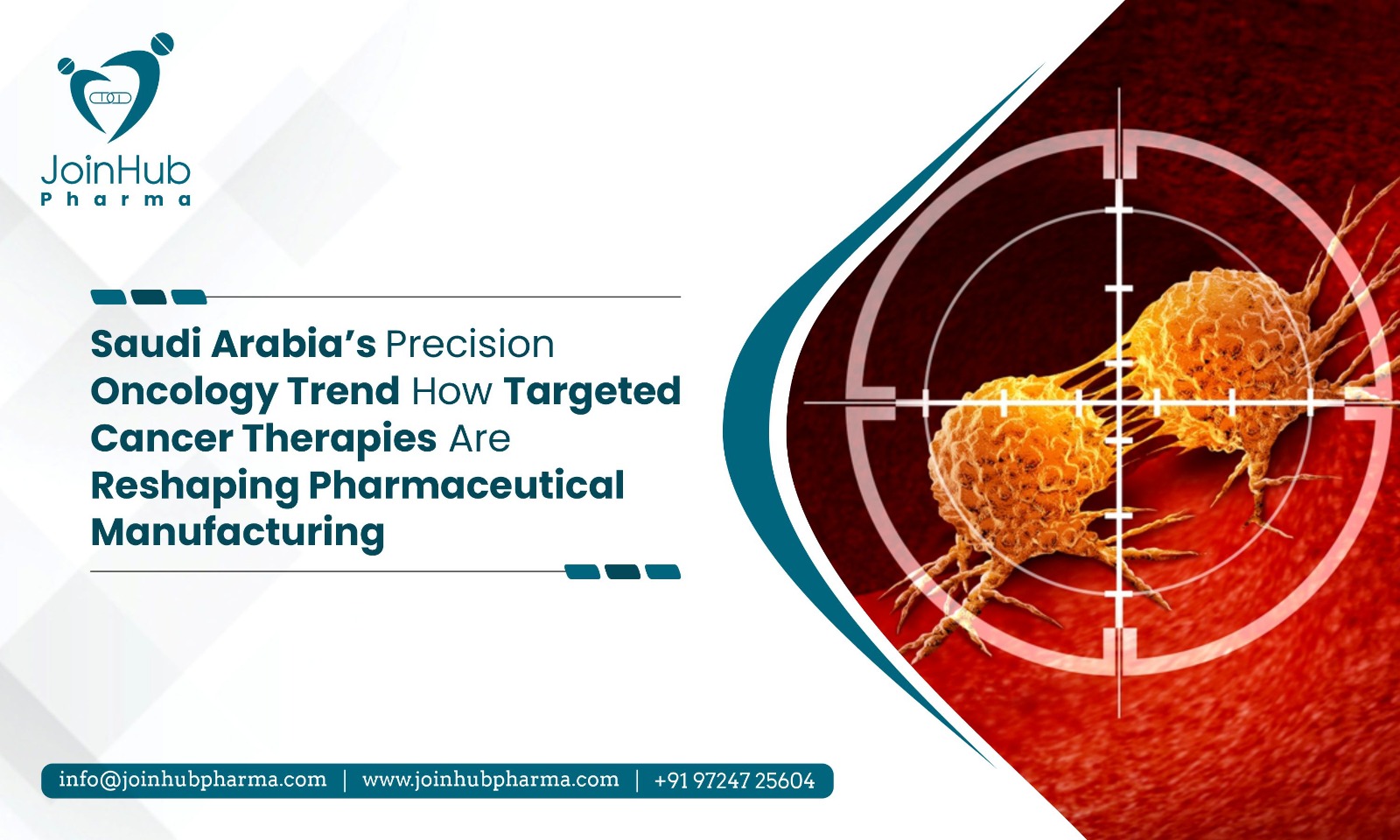
2. Growth of Targeted Cancer Therapies
Targeted therapy has become an important component of modern oncology.
Traditional chemotherapy can affect rapidly dividing cells throughout the body, while targeted therapies are designed to interact with specific molecules, proteins, or pathways involved in cancer development.
Depending on the medicine and cancer type, targeted treatments may help:
- Block signals that encourage cancer-cell growth
- Interfere with tumor blood-vessel formation
- Prevent cancer cells from multiplying
- Promote cancer-cell death
- Target specific genetic or molecular abnormalities
The increasing understanding of tumor biology is enabling pharmaceutical companies to develop more specialized oncology products.
This represents a major shift toward precision oncology, where treatment decisions can increasingly be informed by the characteristics of an individual’s cancer.
3. Advancing Immuno-Oncology
Immunotherapy is another major area of innovation in cancer treatment.
Rather than directly attacking cancer cells in the same way as many conventional medicines, immuno-oncology treatments can work by helping the body’s immune system recognize or respond to cancer.
The development of immune checkpoint inhibitors and other immunotherapy approaches has significantly expanded the oncology treatment landscape for selected cancers.
Leading oncology pharmaceutical companies continue to investigate new immunotherapies, combination approaches, biomarkers, and treatment strategies.
Research is also exploring how immunotherapies can potentially be combined with chemotherapy, targeted therapies, radiation, or other treatments to improve outcomes for appropriate patients.
4. Making Oncology Medicines More Accessible
Innovation in cancer treatment is only meaningful when patients can access appropriate medicines.
The cost of cancer treatment, availability of medicines, healthcare infrastructure, regulatory requirements, and pharmaceutical supply chains can all influence access.
This is why many oncology pharmaceutical companies such as JoinHub Pharma and others are focusing not only on developing innovative medicines but also on improving production efficiency and expanding access to high-quality generic and biosimilar products.
Generic oncology medicines can help increase affordability when appropriate, while biosimilars can provide additional treatment options for certain biologic medicines.
Pharmaceutical manufacturers and exporters also contribute to international access by supplying medicines to distributors, hospitals, healthcare institutions, and pharmaceutical companies in different markets.
5. The Role of Oncology Drug Manufacturing
Advanced research must eventually be translated into reliable commercial-scale production. This makes oncology drug manufacturing a critical part of the pharmaceutical ecosystem.
Manufacturing cancer medicines requires strict quality-control systems, validated processes, appropriate facilities, trained professionals, and compliance with applicable regulatory standards.
Depending on the product, oncology manufacturing may involve technologies for:
- Tablets and capsules
- Injectable medicines
- Oral solutions
- Lyophilized products
- Sterile formulations
- Infusions
- Specialty oncology formulations
Manufacturers must maintain consistency from raw-material sourcing through production, packaging, testing, and distribution.
Quality management is particularly important for oncology products because these medicines are used in highly sensitive therapeutic areas.
6. Strengthening Quality and Regulatory Compliance
Quality assurance is one of the foundations of pharmaceutical manufacturing.
Reputable leading oncology pharmaceutical companies generally place significant emphasis on quality management, regulatory compliance, documentation, testing, and manufacturing controls.
Internationally recognized manufacturing standards, including applicable GMP requirements, help pharmaceutical companies establish consistent production processes.
Quality systems can cover areas such as:
- Raw-material qualification
- Supplier evaluation
- Production controls
- In-process testing
- Laboratory analysis
- Stability testing
- Packaging controls
- Batch documentation
- Product traceability
- Pharmacovigilance
Regulatory compliance is particularly important when oncology medicines are exported across international markets, because requirements can differ between countries.
7. Increasing Focus on Personalized Cancer Treatment
Personalized medicine is changing the way healthcare professionals approach certain cancers.
Instead of assuming that patients with the same cancer type will respond identically, precision medicine considers factors such as tumor genetics, biomarkers, molecular characteristics, and treatment history.
This approach can help healthcare professionals identify potentially appropriate therapies for eligible patients.
As biomarker research advances, pharmaceutical companies are developing medicines alongside diagnostic strategies that can help determine which patients may benefit from specific treatments.
This combination of oncology medicines and companion diagnostic approaches is expected to remain an important area of cancer-care innovation.
8. Development of Combination Therapies
Cancer is complex, and a single treatment may not always be sufficient.
Researchers are therefore investigating combinations of different therapeutic approaches. Depending on the cancer and clinical circumstances, combinations may involve chemotherapy, targeted therapy, immunotherapy, hormonal therapy, or other treatment modalities.
The objective is to identify combinations that can improve therapeutic effectiveness while maintaining an acceptable safety profile.
Pharmaceutical companies are conducting extensive research into treatment combinations, sequencing strategies, dosing approaches, and patient-selection criteria.
9. Expanding Access Through Global Pharmaceutical Partnerships
Global collaboration is another important factor transforming cancer care.
Many countries depend on international pharmaceutical manufacturers, exporters, distributors, and healthcare organizations to maintain a stable supply of oncology medicines.
Oncology medicine manufacturers in India, for example, participate in global pharmaceutical supply chains by producing and exporting a wide range of medicines for international markets.
Partnerships between pharmaceutical manufacturers and regional distributors can help improve medicine availability, particularly in markets where local manufacturing capacity is limited.
For companies seeking oncology products, evaluating a potential pharmaceutical partner should include considerations such as manufacturing capabilities, product portfolio, quality systems, regulatory experience, documentation, supply capacity, and export support.
10. The Growing Importance of Generic Oncology Medicines
Generic medicines are an important component of affordable healthcare.
Once applicable intellectual-property protections and regulatory requirements allow, generic versions of medicines can provide additional options for healthcare systems and pharmaceutical distributors.
The generic oncology market includes medicines used across different cancer treatment protocols and supportive-care requirements.
For emerging markets, partnerships with established generic oncology drug manufacturers can help pharmaceutical companies expand their portfolios while addressing demand for cost-effective medicines.
However, affordability should not come at the expense of quality. Pharmaceutical buyers should evaluate manufacturing standards, regulatory compliance, product documentation, testing procedures, and supplier reliability before establishing a long-term partnership.
11. Improving Pharmaceutical Supply Chains
A reliable oncology medicine supply chain is essential because interruptions can create challenges for hospitals, healthcare providers, and patients.
Leading pharmaceutical companies are therefore investing in better inventory management, manufacturing planning, logistics, supplier qualification, and international distribution systems.
Technology is also helping pharmaceutical businesses improve visibility across supply chains.
A stronger supply network can support:
- More predictable product availability
- Better inventory planning
- Faster communication
- Improved batch traceability
- Reduced supply interruptions
- More efficient international distribution
For global oncology medicine suppliers and distributors, supply-chain reliability is becoming just as important as product quality and pricing.
12. Digital Transformation in Oncology
Digital technology is influencing almost every stage of pharmaceutical development.
Artificial intelligence and data analytics can support drug discovery, clinical research, manufacturing optimization, pharmacovigilance, and supply-chain management.
Digital platforms are also making it easier for pharmaceutical companies to communicate with healthcare professionals, distributors, and international business partners.
As digital transformation continues, oncology companies may increasingly use data-driven systems to identify research opportunities, monitor manufacturing performance, and improve operational efficiency.
13. What the Future Holds for Oncology Pharmaceuticals
The future of cancer care is likely to be shaped by continued innovation in precision medicine, immunotherapy, targeted treatment, biologics, biosimilars, drug delivery, and combination therapies.
At the same time, affordability and accessibility will remain essential priorities.
The most successful pharmaceutical organizations will need to balance innovation with quality, regulatory compliance, manufacturing efficiency, and reliable global distribution.
Companies that can combine strong R&D capabilities with dependable manufacturing and international supply-chain expertise will be better positioned to contribute to the evolving oncology landscape.
How to Choose a Reliable Oncology Pharmaceutical Company
Healthcare businesses and pharmaceutical distributors looking for an oncology manufacturing or supply partner should conduct thorough due diligence.
Important factors to evaluate include:
- Manufacturing capabilities: Check whether the company has suitable facilities and technologies for the required dosage forms.
- Quality standards: Review applicable GMP certifications, quality systems, testing capabilities, and manufacturing documentation.
- Product portfolio: Assess whether the company offers the required oncology molecules, strengths, and formulations.
- Regulatory experience: Consider experience with registrations, dossiers, documentation, and international regulatory requirements.
- Production capacity: Ensure the manufacturer can meet current and future order volumes.
- Supply-chain reliability: Evaluate sourcing, inventory planning, packaging, logistics, and export capabilities.
- Product support: A reliable partner should provide appropriate technical and regulatory documentation.
- Communication: Clear communication is essential for long-term pharmaceutical partnerships.
For organizations searching for a dependable oncology pharmaceutical company, these factors can help distinguish a capable manufacturing partner from a supplier focused only on short-term transactions.
Why Choose JoinHub Pharma for Oncology Pharmaceutical Requirements?
JoinHub Pharma is positioned to support pharmaceutical businesses seeking reliable solutions in the oncology segment. The company’s approach can focus on product quality, dependable pharmaceutical manufacturing partnerships, regulatory requirements, and supply-chain support. Contact JoinHub Pharma today at info@joinhubpharma.com to discuss the requirement.
As the oncology industry continues to evolve, pharmaceutical companies need partners that understand the importance of quality, consistency, documentation, and timely supply.
Businesses exploring oncology products can evaluate their requirements and work with an appropriate pharmaceutical partner based on their target market, product needs, regulatory requirements, and expected volumes.
Conclusion
The transformation of cancer care is being driven by scientific innovation, advanced pharmaceutical manufacturing, precision medicine, immunotherapy, targeted therapies, biosimilars, and stronger global healthcare partnerships.
Leading oncology pharmaceutical companies are contributing to this transformation by investing in R&D, developing specialized cancer treatments, improving manufacturing technologies, strengthening quality systems, and expanding access to oncology medicines.
The next generation of cancer care will likely place greater emphasis on personalized treatment, innovative therapeutic combinations, advanced diagnostics, affordable medicines, and reliable global supply chains.
For pharmaceutical distributors and healthcare businesses, choosing the right oncology manufacturing and supply partner will remain an important part of building a sustainable cancer-care ecosystem.
Frequently Asked Questions (FAQs)
1. What are leading oncology pharmaceutical companies?
Leading oncology pharmaceutical companies are organizations involved in the research, development, manufacturing, commercialization, and distribution of medicines used to prevent, diagnose, manage, or treat cancer. They may specialize in innovative therapies, generic oncology medicines, biologics, biosimilars, or a combination of these areas.
2. How are pharmaceutical companies transforming cancer care?
Pharmaceutical companies are transforming cancer care through innovations such as targeted therapies, immunotherapy, precision medicine, biosimilars, combination treatments, advanced drug-delivery technologies, and improved oncology drug manufacturing processes.
3. What is precision oncology?
Precision oncology is an approach to cancer treatment that considers the molecular, genetic, and biological characteristics of a patient’s tumor. This information may help healthcare professionals identify treatments that are appropriate for specific patients.
4. Why are targeted therapies important in oncology?
Targeted therapies are designed to act on particular molecules or biological pathways associated with cancer. For eligible patients, this approach can provide a more specific treatment strategy compared with therapies that affect a broader range of cells.
5. What role does immunotherapy play in cancer treatment?
Immunotherapy uses medicines or other approaches designed to help the immune system recognize or respond to cancer. It has become an important area of oncology research and treatment for several types of cancer.
6. Why are generic oncology medicines important?
Generic oncology medicines can provide additional treatment options and may help reduce healthcare costs when appropriate. They are particularly relevant for healthcare systems and markets seeking more affordable access to cancer medicines.
7. What should I consider when selecting an oncology pharmaceutical manufacturer?
Consider manufacturing capabilities, applicable GMP standards, quality-control systems, product portfolio, regulatory experience, production capacity, documentation, supply-chain reliability, export capabilities, and communication support.
8. What is the role of oncology pharmaceutical manufacturers in global healthcare?
Oncology pharmaceutical manufacturers help convert pharmaceutical research into commercially available medicines. They support healthcare systems by producing, testing, packaging, and supplying cancer medicines to domestic and international markets.
9. How is technology influencing oncology drug development?
Technologies such as artificial intelligence, computational drug discovery, molecular profiling, data analytics, and advanced clinical research tools are helping pharmaceutical researchers identify potential drug candidates and develop more targeted treatment strategies.
10. What is the future of oncology pharmaceuticals?
The future of oncology pharmaceuticals is expected to include continued growth in precision medicine, targeted treatments, immunotherapy, biosimilars, personalized therapies, combination treatments, advanced drug delivery, and more efficient pharmaceutical manufacturing and distribution.