The Middle East pharmaceutical market is growing rapidly due to increasing healthcare investments, rising chronic diseases, expanding hospital infrastructure, and supportive government healthcare initiatives. In this evolving market, partnering with a reliable pharmaceutical injectables manufacturer has become essential for importers, distributors, hospitals, and healthcare organizations across the Gulf and neighboring countries.
India has emerged as a preferred destination for injectable pharmaceutical manufacturing because of its advanced production facilities, cost-effective manufacturing capabilities, skilled workforce, and strict regulatory compliance. Today, many Middle Eastern countries rely on Indian pharmaceutical exporters for high-quality injectable medicines that meet international standards.
In this blog, we will explore the latest trends, opportunities, challenges, and the growing importance of injectable pharmaceutical manufacturing for the Middle East market.
Growing Demand for Injectable Pharmaceuticals in the Middle East
The healthcare sector in the Middle East is witnessing consistent growth. Countries such as Saudi Arabia, UAE, Qatar, Oman, Kuwait, Bahrain, Iraq, and Jordan are investing heavily in healthcare modernization. As a result, demand for injectable medicines is increasing significantly.
Several factors are driving this demand:
- Rising prevalence of chronic diseases
- Increasing hospitalization rates
- Growing elderly population
- Expansion of private healthcare facilities
- Higher demand for emergency and critical care medicines
- Rapid adoption of biologics and specialty injectables
Injectable drugs are widely used because they provide faster therapeutic effects, improved bioavailability, and accurate dosing. This makes them highly preferred in hospitals, intensive care units, surgical procedures, and emergency treatments.
A trusted pharmaceutical injectables manufacturer plays a critical role in supplying sterile and high-quality injectable formulations to meet these healthcare requirements.
Why the Middle East Prefers Indian Injectable Manufacturers
India is one of the largest pharmaceutical exporters globally and has become a major supplier of injectables to the Middle East. Indian pharmaceutical companies are recognized for producing high-quality formulations at competitive prices.
Here are some major reasons Middle Eastern importers prefer Indian manufacturers:
1. Cost-Effective Manufacturing
Indian pharmaceutical companies offer affordable manufacturing without compromising quality. This helps Middle Eastern distributors maintain profitability while ensuring medicine accessibility.
2. Advanced Manufacturing Facilities
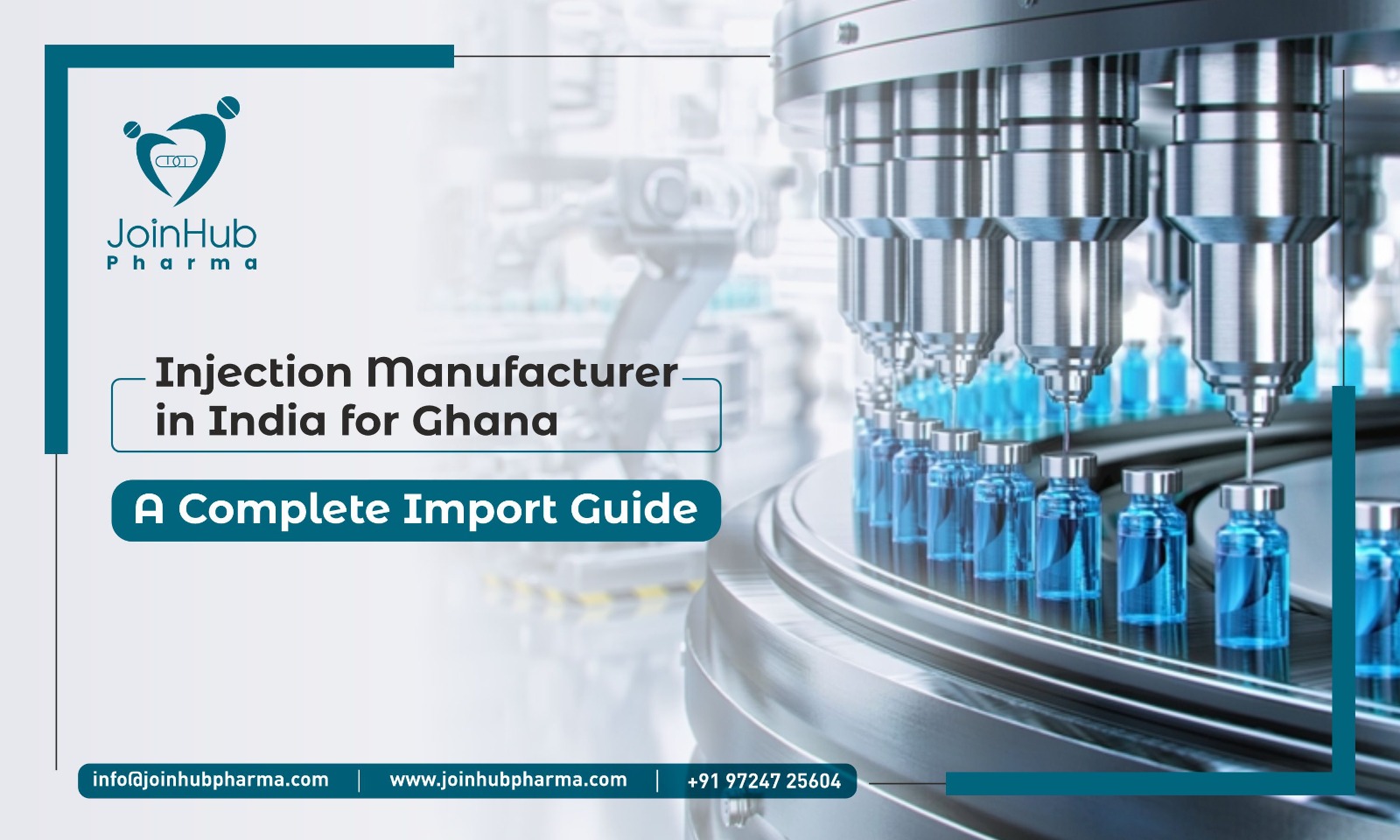
Modern injectable manufacturing facilities in India are equipped with:
- Sterile production units
- Automated filling lines
- Lyophilization systems
- Advanced quality testing laboratories
- High-grade cleanroom environments
3. Regulatory Compliance
Many Indian manufacturers follow international regulatory standards, such as:
- WHO-GMP
- ISO certifications
- EU-GMP
- USFDA compliance
Importers often prefer EU GMP-certified companies in India because they ensure higher manufacturing quality, safety, and international acceptance.
4. Strong Export Capabilities
Indian pharmaceutical exporters have extensive experience in:
- International documentation
- Product registration support
- Regulatory approvals
- Global logistics management
- Cold chain transportation
These capabilities make Indian companies reliable long-term partners for Middle Eastern pharmaceutical businesses.
Types of Injectable Products in High Demand
The Middle East market has an increasing demand for various injectable categories. A professional pharmaceutical injectables manufacturer usually supplies:
Antibiotic Injections
Widely used in hospitals and infection management.
Oncology Injectables
Cancer treatment demand is rising rapidly across GCC countries.
Cardiac and Critical Care Injections
Essential for emergency and ICU applications.
Hormonal Injectables
Used in fertility treatments, endocrinology, and chronic disease management.
Nutritional Injections
Growing demand in wellness and recovery treatments.
Vaccines and Biologics
Government immunization programs are boosting demand.
Pain Management Injectables
Commonly used in surgical and orthopedic care.
Anti-Diabetic Injectables
Increasing diabetes prevalence in the Middle East is creating substantial market demand.
Key Trends in Injectable Pharmaceutical Manufacturing
Increased Focus on Sterile Manufacturing
Sterility is the most important aspect of injectable production. Manufacturers are increasingly investing in:
- Isolator technology
- Automated aseptic filling systems
- Real-time monitoring systems
- Advanced contamination control
These technologies improve product safety and reduce manufacturing risks.
Rising Demand for Prefilled Syringes
Prefilled syringes are becoming popular because they:
- Reduce medication errors
- Improve dosing accuracy
- Enhance patient convenience
- Lower contamination risks
This trend is especially visible in diabetes care and biologic therapies.
Growth of Contract Manufacturing
Many Middle Eastern pharmaceutical companies prefer outsourcing production to Indian manufacturers rather than establishing expensive manufacturing facilities.
This has created strong growth opportunities in:
- Third-party manufacturing
- Contract manufacturing
- Private labeling
- Customized formulations
Expansion of Cold Chain Logistics
Biologics and specialty injectables require temperature-controlled transportation. Pharmaceutical companies are investing heavily in:
- Cold storage systems
- Temperature monitoring
- Advanced packaging solutions
- International cold chain logistics
This ensures product stability during export to Middle Eastern countries.
Increased Demand for Regulatory-Compliant Products
Middle Eastern authorities are strengthening pharmaceutical regulations. Importers now prefer manufacturers with:
- Complete documentation
- Stability data
- CTD dossier support
- Pharmacovigilance systems
- International certifications
This creates opportunities for high-quality Indian injectable manufacturers with strong regulatory expertise.
Opportunities for Indian Injectable Manufacturers in the Middle East
The Middle East pharmaceutical market offers enormous growth opportunities for Indian exporters.
Government Healthcare Investments
Governments across the GCC region are increasing healthcare budgets and expanding healthcare access. This directly increases demand for pharmaceutical injectables.
Dependence on Imports
Many Middle Eastern countries still rely heavily on imported medicines because local manufacturing capacity is limited.
This creates long-term export opportunities for Indian companies.
Growing Private Healthcare Sector
Private hospitals and clinics are rapidly expanding across:
- UAE
- Saudi Arabia
- Qatar
- Kuwait
These healthcare providers require a continuous supply of high-quality injectable medicines.
Demand for Affordable Medicines
Healthcare providers seek cost-effective alternatives without compromising quality. Indian manufacturers perfectly fit this requirement.
Biologics and Specialty Medicines
The rising use of biologics, oncology therapies, and specialty injectables is opening new export segments for advanced manufacturers.
Challenges in the Middle East Injectable Market
Although opportunities are substantial, exporters must also address several challenges.
Regulatory Variations
Each Middle Eastern country has different regulatory requirements and product registration procedures.
Intense Market Competition
Global pharmaceutical companies compete aggressively in the injectable segment.
Temperature-Sensitive Logistics
Injectables require proper storage and transportation conditions to maintain product integrity.
Documentation Requirements
Importers often require extensive:
- Technical dossiers
- Stability reports
- GMP certifications
- Batch documentation
Manufacturers with strong regulatory and export support gain a competitive advantage.
How to Choose the Right Pharmaceutical Injectables Manufacturer
Selecting the right manufacturing partner is essential for business success in the Middle East.
Here are important factors to evaluate:
Manufacturing Certifications
Choose manufacturers with WHO-GMP and international certifications.
Product Portfolio
A broad injectable range helps meet multiple market demands.
Export Experience
Experienced exporters understand documentation and regional compliance requirements.
Quality Assurance
Strong quality control systems ensure product safety and consistency.
Production Capacity
Ensure the manufacturer can handle large-scale and timely supply requirements.
Regulatory Support
Manufacturers should assist with product registration and technical documentation.
Many importers also evaluate the top injectable pharmaceutical companies in India to identify reliable long-term business partners with strong export expertise.
Future Outlook of Injectable Pharmaceuticals in the Middle East
The future of injectable pharmaceuticals in the Middle East looks highly promising. Increasing healthcare expenditure, expanding hospital infrastructure, growing chronic disease burden, and rising demand for advanced therapies will continue driving market growth.
Indian pharmaceutical manufacturers are expected to play a major role in supporting this demand due to:
- Competitive pricing
- Regulatory compliance
- High manufacturing standards
- Strong export capabilities
Companies investing in advanced sterile manufacturing technologies and international certifications will gain significant competitive advantages in the coming years.
Why JoinHub Pharma is a Trusted Partner
JoinHub Pharma is committed to delivering high-quality injectable pharmaceutical solutions for international markets. With advanced manufacturing standards, export expertise, and strict quality compliance, the company supports healthcare businesses across the Middle East with reliable pharmaceutical products.
The company focuses on:
- International quality standards
- Timely delivery
- Regulatory support
- Customized manufacturing solutions
- Wide injectable product portfolio
As demand for injectable medicines continues to grow, partnering with an experienced and quality-focused manufacturer becomes essential for long-term success. Contact JoinHub Pharma today at info@joinhubpharma.com to discuss the requirement.
FAQs
1. What is a pharmaceutical injectables manufacturer?
A pharmaceutical injectables manufacturer produces sterile injectable medicines such as vials, ampoules, prefilled syringes, and infusion products used in hospitals and healthcare facilities.
2. Why does the Middle East import injectable medicines from India?
The Middle East imports injectables from India because Indian manufacturers offer cost-effective, high-quality, and internationally compliant pharmaceutical products with strong export support.
3. Which injectable products are most demanded in the Middle East?
High-demand products include antibiotic injections, oncology injectables, cardiac care injections, hormonal therapies, vaccines, and critical care medicines.
4. Why are EU-GMP certifications important in injectable manufacturing?
EU-GMP certification ensures that manufacturing facilities follow strict international quality and safety standards, which improves global market acceptance.
5. What factors should importers consider before selecting an injectable manufacturer?
Importers should evaluate certifications, product quality, export experience, production capacity, regulatory support, and quality assurance systems.
6. Are Indian injectable manufacturers suitable for private labeling?
Yes, many Indian manufacturers provide third-party pharma manufacturing and private labeling services for international pharmaceutical distributors and importers.
7. What is the future of injectable pharmaceuticals in the Middle East?
The market is expected to grow significantly due to increasing healthcare investments, chronic disease prevalence, and rising demand for advanced therapies and biologics.