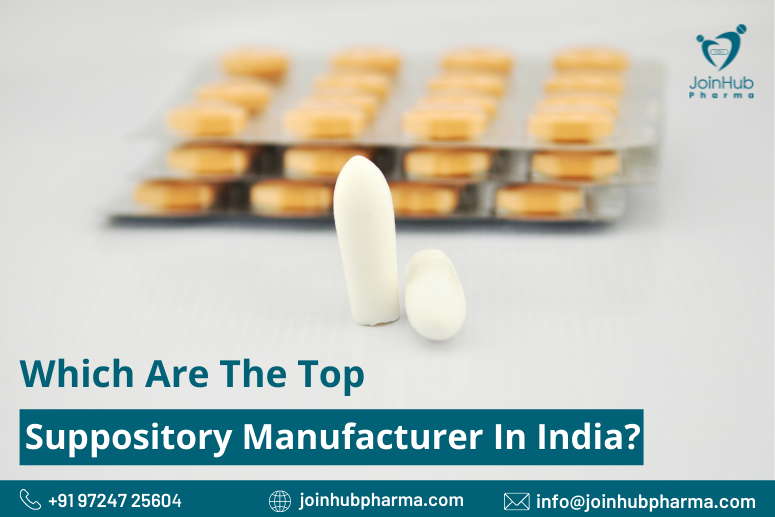
Nigeria’s pharmaceutical industry is experiencing rapid growth due to increasing healthcare awareness, population expansion, and the rising prevalence of chronic and infectious diseases. Among various dosage forms, suppositories are gaining significant importance because they offer effective treatment options for patients who cannot take oral medications. This growing demand has created excellent opportunities for suppository manufacturing companies in India to supply high-quality pharmaceutical products to the Nigerian market.
India has become a global pharmaceutical hub known for affordable pricing, advanced manufacturing infrastructure, and strict regulatory compliance. Today, many Nigerian importers, hospitals, distributors, and healthcare providers rely on Indian pharmaceutical companies for reliable and cost-effective suppository products.
In this blog, we will explore why India is becoming a preferred destination for suppository production and how Indian manufacturers are helping meet Nigeria’s expanding healthcare requirements.
Understanding the Importance of Suppositories
Suppositories are solid dosage forms designed for insertion into the rectum, vagina, or urethra, where they dissolve and release medication. They are commonly used when oral administration is difficult or ineffective.
Suppositories are widely prescribed for:
- Fever management
- Pain relief
- Hemorrhoids
- Constipation
- Anti-inflammatory treatments
- Antifungal and antibacterial therapies
- Pediatric and geriatric care
- Nausea and vomiting treatment
Because suppositories bypass the digestive system, they often provide faster absorption and improved effectiveness for specific conditions.
The rising use of suppositories in Nigeria is driven by increasing healthcare access, growing awareness among physicians, and the need for alternative dosage forms for children and elderly patients.
Why Nigeria Depends on Imported Pharmaceutical Products
Nigeria has one of the largest healthcare markets in Africa. However, local pharmaceutical production is still developing, resulting in high dependence on imported medicines.
Several factors contribute to this dependence:
Growing Population
Nigeria’s population exceeds 220 million people, creating massive demand for quality medicines across hospitals, clinics, and pharmacies.
Rising Healthcare Awareness
Government healthcare initiatives and improved medical infrastructure are increasing the demand for advanced pharmaceutical formulations, including suppositories.
Limited Domestic Manufacturing Capacity
Although Nigeria has local pharma companies, there is still insufficient production capacity for specialized dosage forms such as suppositories.
Increasing Demand for Affordable Medicines
Indian pharmaceutical companies provide cost-effective products without compromising quality, making them highly attractive to Nigerian importers and distributors.
This situation has opened strong export opportunities for Indian pharmaceutical manufacturers.
India’s Strength in Suppository Manufacturing
India has emerged as a global leader in suppository manufacturing due to its modern production facilities, skilled workforce, and compliance with international quality standards.
Indian manufacturers produce a wide range of suppositories, including:
- Paracetamol suppositories
- Diclofenac suppositories
- Glycerin suppositories
- Bisacodyl suppositories
- Antifungal vaginal suppositories
- Anti-inflammatory suppositories
- Pediatric suppositories
These products are manufactured using advanced technologies that ensure stability, effectiveness, and patient safety.
Advantages of Choosing Indian Suppository Manufacturers for Nigeria
Cost-Effective Production
One of the biggest advantages of Indian pharmaceutical manufacturing is affordability. Indian companies can manufacture high-quality suppositories at competitive prices due to economies of scale and efficient production systems.
This helps Nigerian importers achieve better profit margins while maintaining affordable healthcare access for patients.
WHO-GMP Certified Facilities
Many Indian pharmaceutical companies operate WHO-GMP-approved manufacturing plants that meet international regulatory standards.
A who-gmp-certified suppository manufacturer follows strict quality control measures during:
- Raw material procurement
- Production
- Packaging
- Storage
- Export documentation
This ensures product consistency and regulatory compliance for international markets like Nigeria.
Advanced Manufacturing Technology
Indian manufacturers use automated production lines, temperature-controlled environments, and modern packaging systems to maintain product quality and stability.
Suppositories are highly temperature-sensitive products, making specialized manufacturing expertise essential.
Strong Export Experience
India has extensive experience exporting pharmaceutical products worldwide, including African countries such as Nigeria, Kenya, Ghana, and South Africa.
Experienced exporters understand international documentation, customs procedures, and product registration requirements, ensuring smoother supply chain management.
Wide Product Portfolio
Indian manufacturers offer diverse suppository formulations across multiple therapeutic categories, enabling Nigerian buyers to source multiple products from a single supplier.
Role of Indian Pharmaceutical Exporters in Nigeria
Today, India is among the leading suppliers of generic medicines to Africa. Many pharma exporters in India are actively expanding their presence in Nigeria through partnerships with distributors, wholesalers, hospitals, and government procurement agencies.
Indian exporters provide:
- Private labeling services
- Third-party manufacturing
- Customized packaging
- Bulk supply capabilities
- Regulatory support
- Timely delivery
This flexibility helps Nigerian importers build strong pharmaceutical brands while ensuring consistent product availability.
Quality Standards Followed by Indian Manufacturers
Quality plays a crucial role in pharmaceutical exports, especially for regulated and semi-regulated markets like Nigeria.
Indian suppository manufacturers follow strict international quality standards, such as:
- WHO-GMP certification
- ISO certification
- GLP compliance
- Quality assurance protocols
- Stability testing
- Microbiological testing
- Batch traceability systems
These standards help ensure that pharmaceutical products are safe, effective, and stable throughout transportation and storage.
Importance of Proper Packaging in Suppository Exports
Suppositories require specialized packaging because they are sensitive to heat and humidity.
Indian pharmaceutical companies use:
- Blister packaging
- Alu-Alu packaging
- Temperature-resistant materials
- Moisture-protective containers
Proper packaging ensures that products remain stable during long-distance shipping from India to Nigeria.
Additionally, exporters often provide customized packaging based on Nigerian regulatory requirements and branding preferences.
Opportunities for Nigerian Distributors and Importers
The increasing demand for suppositories in Nigeria creates excellent opportunities for:
- Pharmaceutical distributors
- Hospital suppliers
- Retail pharmacy chains
- Government procurement agencies
- Healthcare importers
Partnering with Indian manufacturers allows Nigerian businesses to:
- Access affordable medicines
- Expand product portfolios
- Improve market competitiveness
- Ensure consistent medicine supply
- Build private-label pharmaceutical brands
India’s strong pharmaceutical ecosystem makes it easier for Nigerian companies to source reliable and high-quality products.
Why JoinHub Pharma Can Be a Reliable Export Partner
JoinHub Pharma is committed to delivering high-quality pharmaceutical products for international markets. With a focus on quality assurance, regulatory compliance, and customer satisfaction, the company supports global healthcare supply chains with reliable pharmaceutical manufacturing services.
As a trusted suppository manufacturer in India, JoinHub Pharma focuses on:
- International quality standards
- Advanced manufacturing processes
- Export-ready packaging
- Competitive pricing
- Timely deliveries
- Custom manufacturing solutions
The company works closely with global distributors and healthcare businesses to ensure consistent pharmaceutical supply and long-term business partnerships.
Future of Suppository Demand in Nigeria
The Nigerian pharmaceutical market is expected to continue growing due to:
- Rising healthcare investments
- Increasing urbanization
- Expanding pharmacy networks
- Growing awareness about alternative dosage forms
- Increased government healthcare programs
Suppositories are likely to witness increasing demand across pediatric, gynecological, gastrointestinal, and pain management segments.
Indian pharmaceutical companies are well-positioned to support this growing demand with scalable production capabilities and international export expertise.
Conclusion
Nigeria’s healthcare sector is evolving rapidly, creating strong demand for quality pharmaceutical products, including suppositories. India has emerged as a preferred global supplier because of its affordability, regulatory compliance, manufacturing expertise, and export capabilities.
With advanced facilities, WHO-GMP-certified production standards, and strong global supply networks, Indian pharmaceutical manufacturers are playing a crucial role in supporting Nigeria’s growing healthcare needs.
For Nigerian importers, distributors, and healthcare organizations, partnering with reliable Indian manufacturers offers a cost-effective and sustainable solution for accessing high-quality suppository products. Contact JoinHub Pharma today at info@joinhubpharma.com to discuss the requirement.
FAQs
1. What is suppository manufacturing?
Suppository manufacturing is the process of producing solid dosage forms designed for rectal, vaginal, or urethral administration. These products dissolve inside the body to release medication effectively.
2. Why is Nigeria importing suppositories from India?
Nigeria imports suppositories from India because Indian pharmaceutical companies provide affordable, high-quality, and internationally compliant pharmaceutical products with reliable export support.
3. What types of suppositories are commonly exported to Nigeria?
Commonly exported suppositories include paracetamol, glycerin, bisacodyl, diclofenac, antifungal, and anti-inflammatory suppositories.
4. Why are WHO-GMP certifications important in pharmaceutical manufacturing?
WHO-GMP certification ensures that pharmaceutical products are manufactured under strict quality and safety standards, making them suitable for international markets.
5. How do Indian manufacturers maintain suppository quality during export?
Indian manufacturers use specialized packaging, temperature-controlled storage, quality testing, and secure transportation methods to maintain product stability during export.
6. Can Indian manufacturers provide private labeling services for Nigerian companies?
Yes, many Indian pharmaceutical companies offer private labeling and third-party manufacturing services for Nigerian importers and distributors.
7. What makes India a global pharmaceutical manufacturing hub?
India offers cost-effective production, advanced technology, skilled professionals, large-scale manufacturing capacity, and compliance with international quality standards, making it a leading pharmaceutical exporter globally.